![[personal profile]](https://www.dreamwidth.org/img/silk/identity/user.png) ysabetwordsmith posting in
ysabetwordsmith posting in ![[community profile]](https://www.dreamwidth.org/img/silk/identity/community.png) first_nations_freaks
first_nations_freaksColorado Released Thousands of Prairie Dogs In A Chemical Wasteland
Prairie dogs were released into one of America's most toxic sites — a former chemical weapons factory that manufactured mustard gas and nerve agents for decades. The soil was dead, the water poisoned, and the cleanup cost $2.1 billion just to contain the damage. But those rodents didn't just stabilize the dirt — they triggered a cascade that rebuilt an entire food web from scratch, culminating in the return of North America's rarest mammal to ground that once produced weapons of war.
First, people released prairie dogs. As the prairie dogs restored the habitat, other animals moved in: pollinators, burrowing owls, plovers, hawks, etc. Then people released buffalo. Prairie dogs and buffalo form a loop in which each makes the habitat better for the other. Finally people released black-footed ferrets, and the ecosystem was pretty well restored.
Does your tribe have buffalo? If so, check for prairie dogs. If you don't have prairie dogs, consider adding some to improve the habitat for buffalo (and everything else).
If you don't have buffalo but want some, consider establishing prairie dogs first. They can work with quite wretched soil and improve it, setting up a better space for buffalo and other animals.
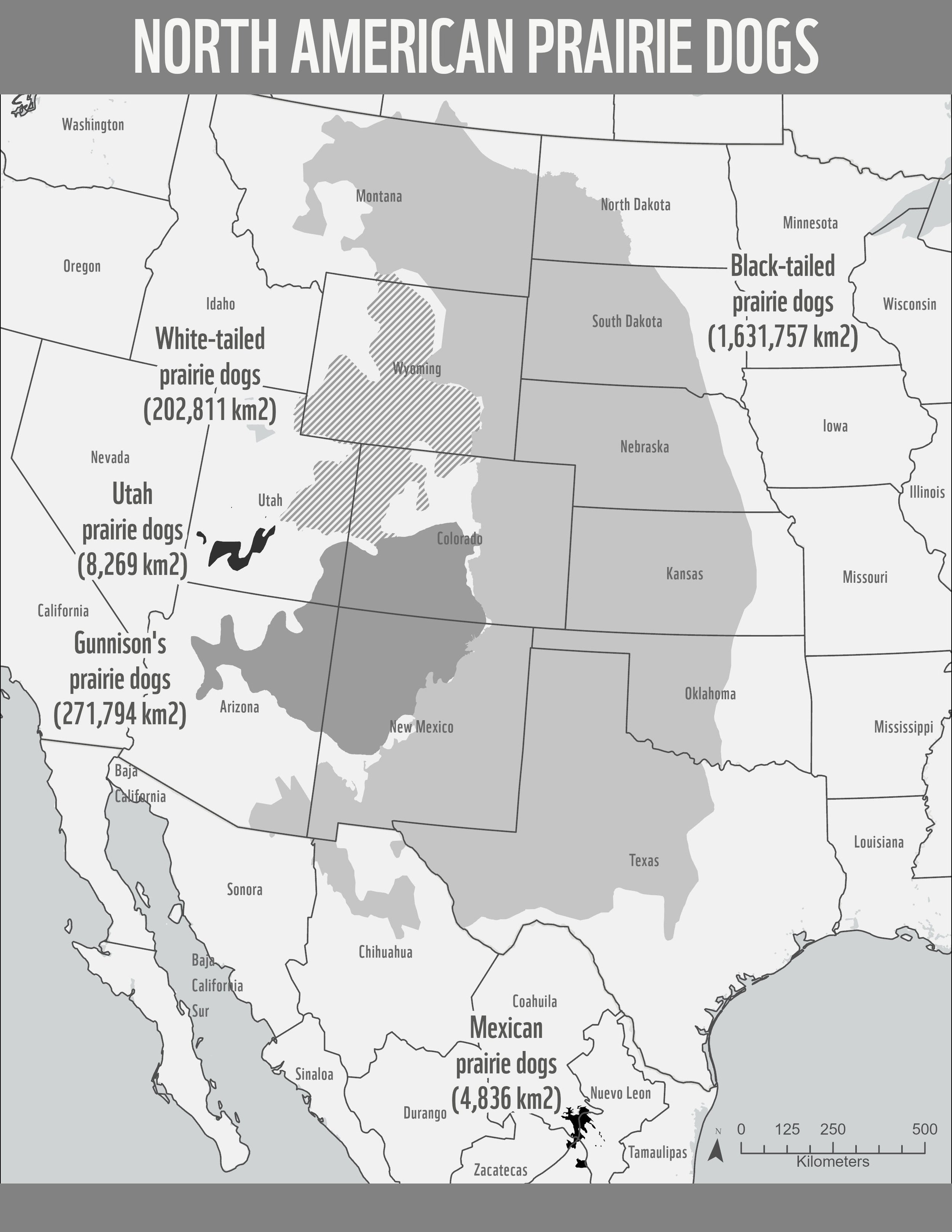
Prairie dogs are small and breed fast, so a limited number can repopulate an area, showing results a lot faster than buffalo. It's often easier to acquire small prairie dogs than large buffalo. Prairie dogs are capable of thriving across their large former range. This map adds several more species with smaller ranges. So they're well worth considering for restoration projects.
Prairie dogs were released into one of America's most toxic sites — a former chemical weapons factory that manufactured mustard gas and nerve agents for decades. The soil was dead, the water poisoned, and the cleanup cost $2.1 billion just to contain the damage. But those rodents didn't just stabilize the dirt — they triggered a cascade that rebuilt an entire food web from scratch, culminating in the return of North America's rarest mammal to ground that once produced weapons of war.
First, people released prairie dogs. As the prairie dogs restored the habitat, other animals moved in: pollinators, burrowing owls, plovers, hawks, etc. Then people released buffalo. Prairie dogs and buffalo form a loop in which each makes the habitat better for the other. Finally people released black-footed ferrets, and the ecosystem was pretty well restored.
Does your tribe have buffalo? If so, check for prairie dogs. If you don't have prairie dogs, consider adding some to improve the habitat for buffalo (and everything else).
If you don't have buffalo but want some, consider establishing prairie dogs first. They can work with quite wretched soil and improve it, setting up a better space for buffalo and other animals.
Prairie dogs are small and breed fast, so a limited number can repopulate an area, showing results a lot faster than buffalo. It's often easier to acquire small prairie dogs than large buffalo. Prairie dogs are capable of thriving across their large former range. This map adds several more species with smaller ranges. So they're well worth considering for restoration projects.